
It’s time to be proactive and winterize your home ahead of the winter weather season. Winterizing your home may feel like a daunting task, but it can be really beneficial to your home. It can decrease your energy bill and save you some cash in the long run. It’s ideal to start this process before winter hits, but it’s always better late than never.
Here are some quick tips and tricks to winterize your home and rid yourself of any headaches in the future.
Reduce Energy Usage

Energy Audit
You can start reducing your energy usage by obtaining an energy audit. You can call your local power company to get a home assessment where their “professional will suggest changes to make your home more energy-efficient to lower energy bills and increase comfort.”. This will help you better understand your overall home energy use and its safety.
Check your Heating System
Another great tip is to check your heating system. You should make sure your system is running properly. A great first step is to check the filters and make sure there is not dirt or dust accumulation. Changing your thermostat to digital can also decrease energy usage through automatic heating settings.
Check your Attic and Garage
Do not forget to check your attic and garage for leaks or damages. Fix them as soon as possible to prevent worsening damage. Call a professional if you need. Ensure that both the attic and garage are also properly insulated to keep heat from escaping.
Install LED Light Bulbs
Installing LED light bulbs can help you save on winter bills. They are energy efficient and last longer than other types of lighting. Additionally, they emit very little heat.
Protect Your Pipes
Depending on the location you live or and the weather you encounter, it may be smart to protect your pipes from popping or bursting. To do that, you can use tubular pipe wrap, rolled pipe wire, or insulation fittings.
Add Weather Stripping to Doors and Windows
You can add weather stripping to your doors and windows to prevent cold air from entering or escaping your home. Draft guards are a great solution. “Commercially available draft guards are flexible pieces of foam that can slide in under your doors and windows, sealing them up so that no air can come in from the outside.”
Reverse your Ceiling Fans
This tip may seem simple, but many forget to do it. With a simple switch, you can reverse your ceiling fans to push warm air down. This will help keep your home warmer during the colder months. The ceiling fan should be switched to turn clockwise in the winter.
Prepare Your Exterior for Winter
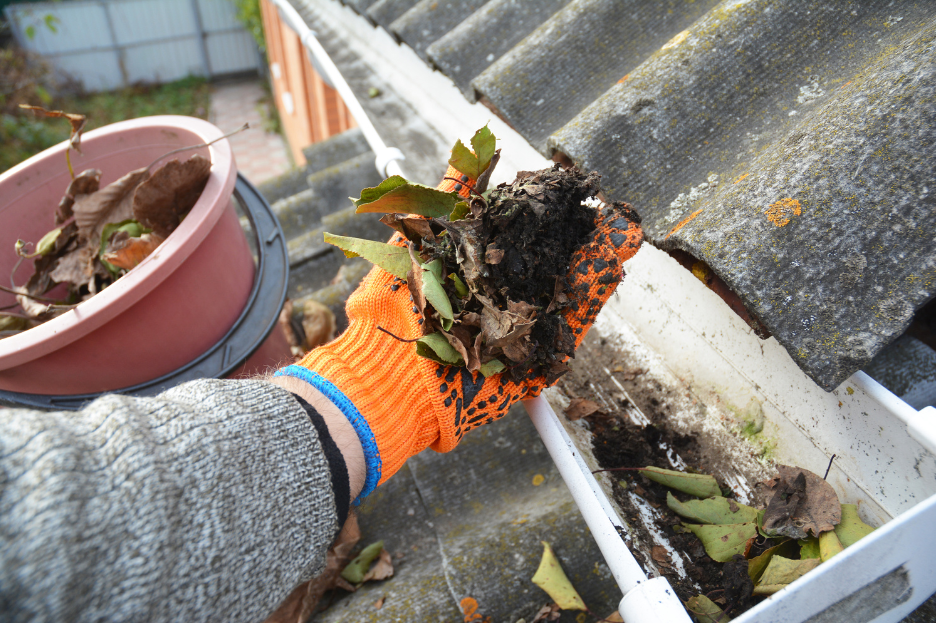
Clean the Gutters
Cleaning your gutters can be critical for maintaining a clean and efficient home. It can prevent clogging and ice build up in the winter months. To help yourself out, you can also add gutter guards. By doing this you can allow snow to melt through the drain properly. This action can help prevent water from entering your home.
Inspect your Roof
Inspect your roof for damages: check for anything broken, bent, leaking or deteriorating. Make sure to clear your roof of any debris or foliage such as: pine needles, leaves, or branches. If you have trees near your roof, cut and clear any branches that could potentially cause damage in the winter by falling on your roof.
Winterize your Exterior Faucets
To winterize your exterior faucets you need to shut off the water supply to the exterior taps. Remove your hoses and store in a dry location. Drain any excess water. Instal your choice of outdoor faucet cover & freeze cap. This can be helpful to prevent frozen pipes.
Bring your Summer Tools Inside
If you have a grill or smoker, protect them in the winter by bringing them inside. Either place them in the garage, basement, or shed. If you are unable to transport then indoors, or if you want an extra precautionary step, add a durable, protective sleeve to cover it.
Ensure your Winter Tools are Accessible
Ensure that your winter tools are brought out of storage and made accessible. These can include shovels, salt, sand, and or your sandblower. Place your exterior tools in a safe dry location, such as inside your home or garage.
Consider an Emergency Kit

Winter storms can sneak up on you, so it’s important to be prepared with the essentials at all times. You don’t want to be forced to go out in a snowstorm to get water or flashlights, so if you can arrange kits ahead of time. Here’s a list to get you started:
- Bottled water / canned goods
- Flashlights / Batteries / Candles
- Portable radio
- Back-up chargers/power banks
- First Aid Kit
- Snow shovel
- Ice scraper
- Blankets
- Extra pair of warm clothes
- Sweaters
- Pants
- Socks
- Gloves
- Hats
You can prepare emergency kits for both your home and vehicle.
There are many tips and tricks to winterize your home, so take the time to make sure you are prepared for extreme cold with this winter checklist. If you get ahead and tackle these tasks, you’ll have less stress when the weather turns. Last but not least, get your warm blankets out and cozy up for the winter months.
 PNW Real Estate Blog
Leave a comment