
Certain plants hold immense significance in maintaining the delicate balance of ecosystems. These are the keystone native plants—essential for sustaining thriving food webs and supporting diverse wildlife species. Without them, survival, reproduction, and pollination would be challenging for creatures like butterflies, bees, and birds. If you wish to aid struggling pollinator populations, planting keystone native plants is a wonderful way to contribute. Keystone plants typically have unique characteristics that contribute to their significance. They may provide essential food and shelter for numerous animal species, act as important pollinators for other plants, help regulate water and nutrient cycles, or even modify the physical environment to create favorable conditions for other organisms. Here are 10 Keystone Plants you can add to your yard!
1. Common Sunflower
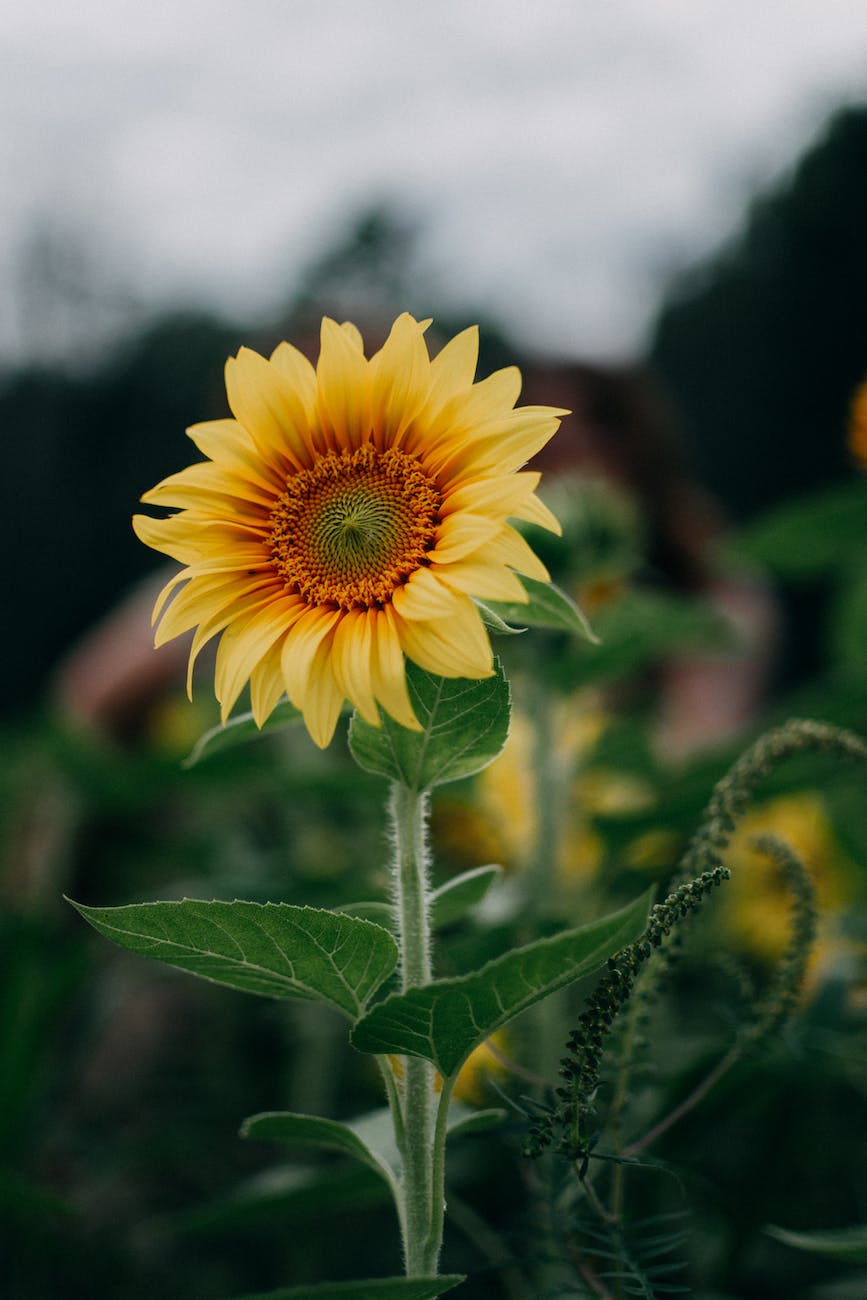
Bright, beautiful and cheerful, the Common Sunflower is an excellent keystone native plant. Its vibrant yellow petals and sweet nectar attract countless pollinators, making it a vital source of sustenance for bees and butterflies alike. Moreover, its plentiful seeds provide nourishment for birds, ensuring their survival in an ever-changing landscape.
2. Fleabane Daisy
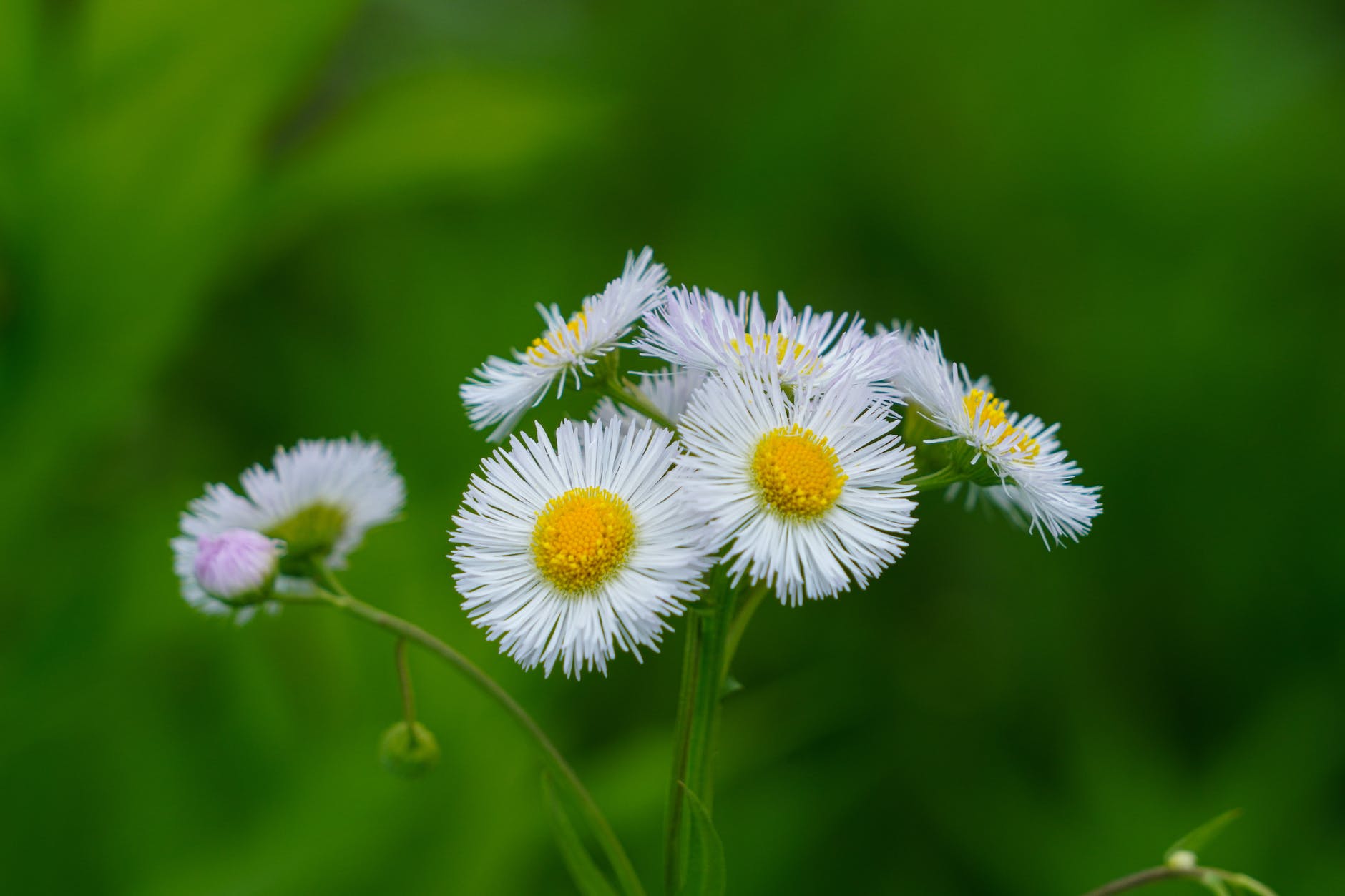
Delicate and dainty, the Fleabane Daisy adds a touch of exquisite beauty to any natural setting. Its slender white petals, sometimes tinged with shades of pink, yellow, purple, or bluish hues, surround a vibrant yellow center disk. This keystone plant captivates native bees with its pollen-rich flowers, serving as an essential food source for their young. By supporting the Fleabane Daisy, we foster the wellbeing of these valuable pollinators and contribute to the intricate web of life.
3. White Heath Aster
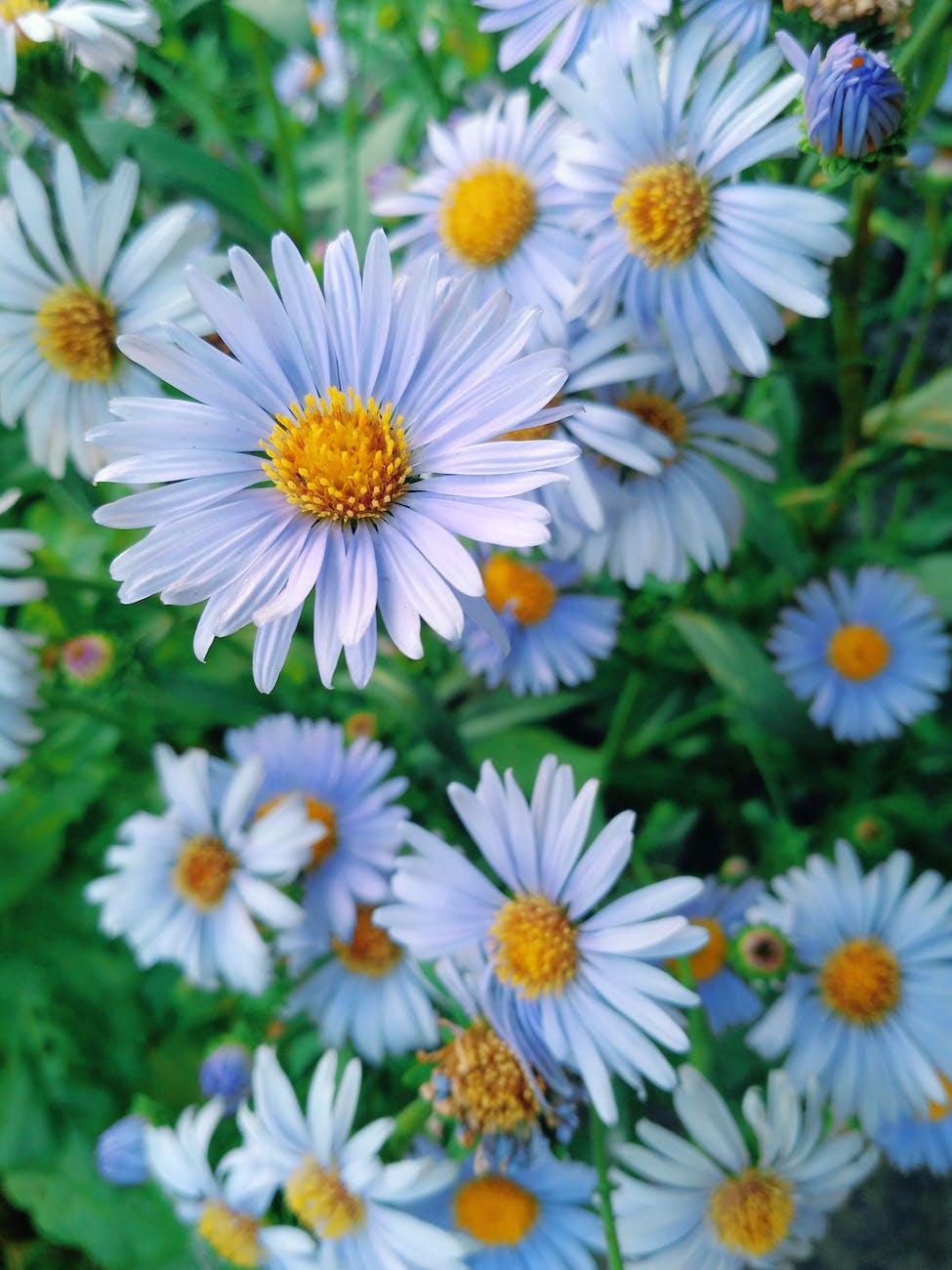
As autumn colors the landscape, the White Heath Aster emerges, gracing the fields and meadows with its beautiful presence. This keystone plant provides an invaluable late-season nectar source for butterflies and native bees, ensuring their survival during this crucial time of year. Its white blossoms paint the landscape with beauty while safeguarding the balance of nature.
4. Smooth Aster
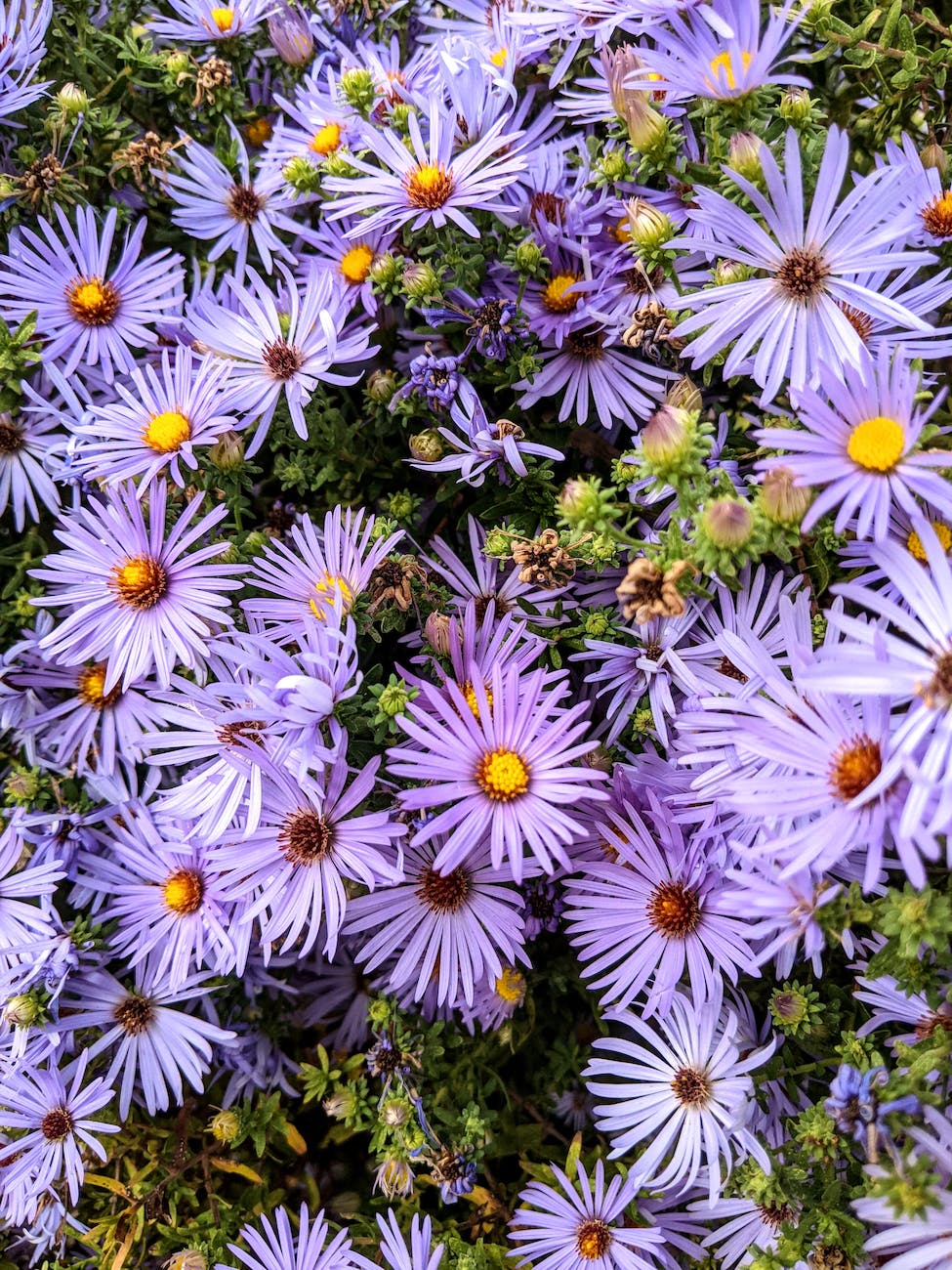
Thriving in diverse habitats, the Smooth Aster is a resilient plant with abundant nectar-rich flowers. Its clusters of purple, light blue, or white flowers serve as crucial fueling stations for over 90 species of pollinators, such as butterflies, moth caterpillars and native bees. With its adaptable nature, the Smooth Aster grows best in partial to full sun and well-drained loamy soils, making it an excellent addition to gardens. By fostering its growth, we contribute to the wellbeing of both the plant and the creatures that depend on it.
5. Coneflower
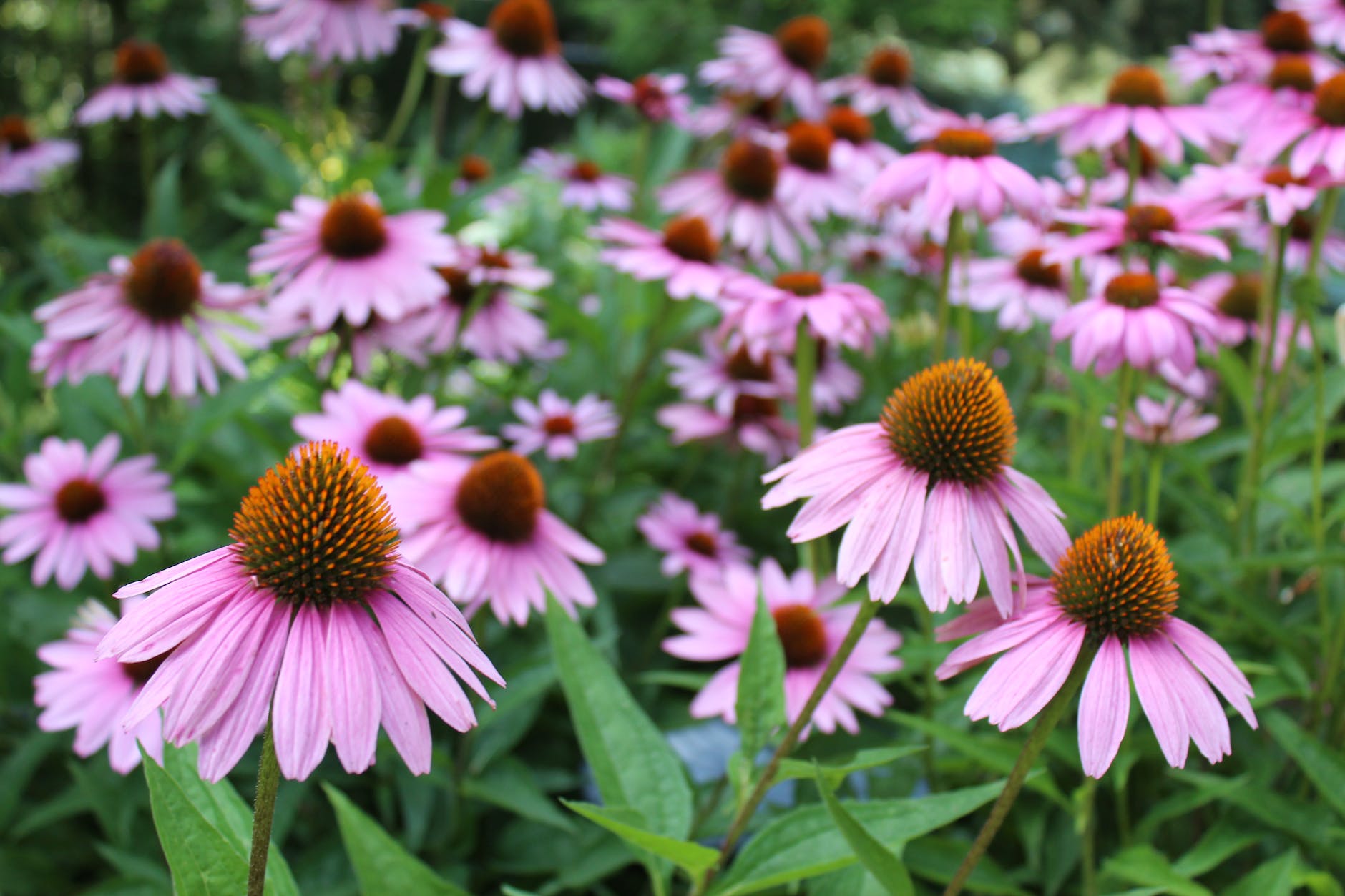
The Coneflower is a magnificent keystone plant that adds a stunning display of vibrant petals and distinctive cone-shaped centers to native landscapes. This beautiful plant attracts a diverse array of fertilizers, including bees and butterflies, allowing them to flourish. While the petals of the Coneflower have a pinkish-purple hue, an array of new varieties now offer more flower shapes and colors, ranging from orange and yellow to red and deep pink, making it a perfect addition to any garden.
6. Tickseed
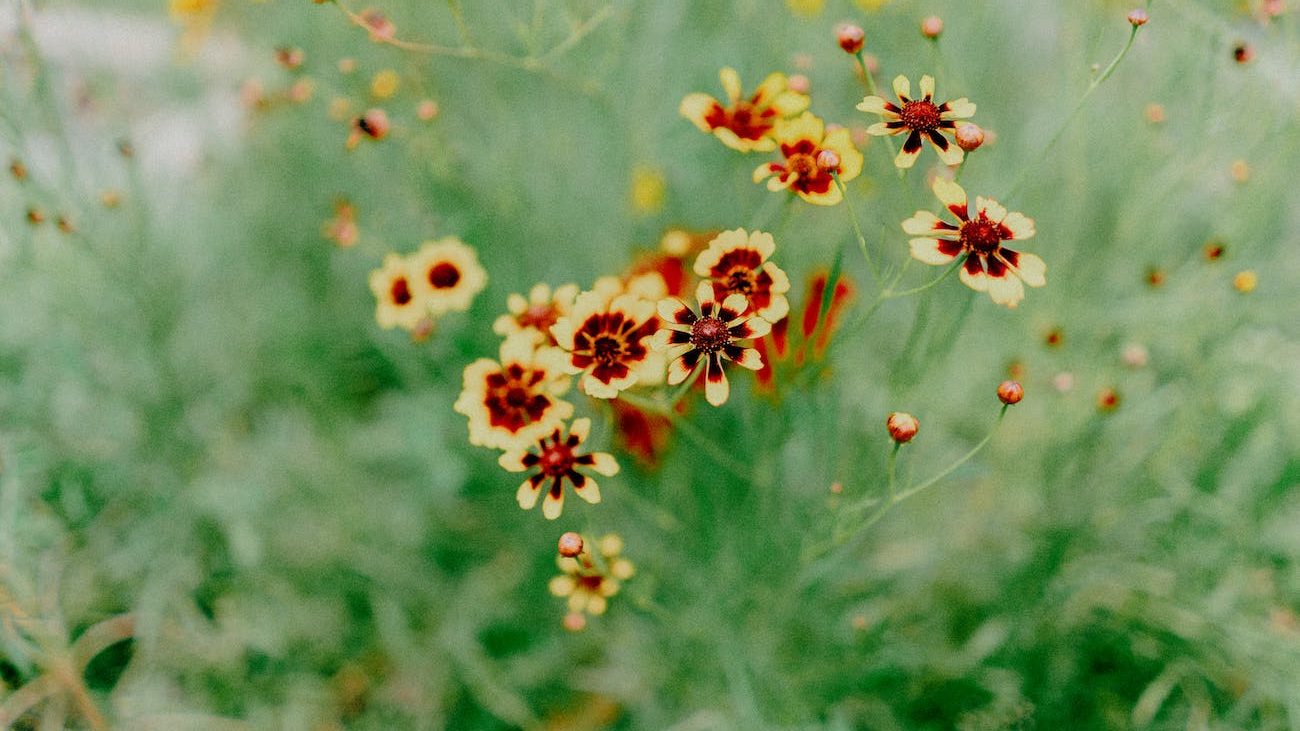
Tickseed is a vibrant and stunning keystone plant that attracts over 22 types of native bees and butterflies with its striking yellow blooms and rich nectar. During early summer, it produces an abundance of flowers in various colors such as yellow, orange, rose, lavender, white, or bi-colored flowers. By supporting the growth of Tickseed, we play a crucial role in preserving these essential pollinators.
7. Geranium
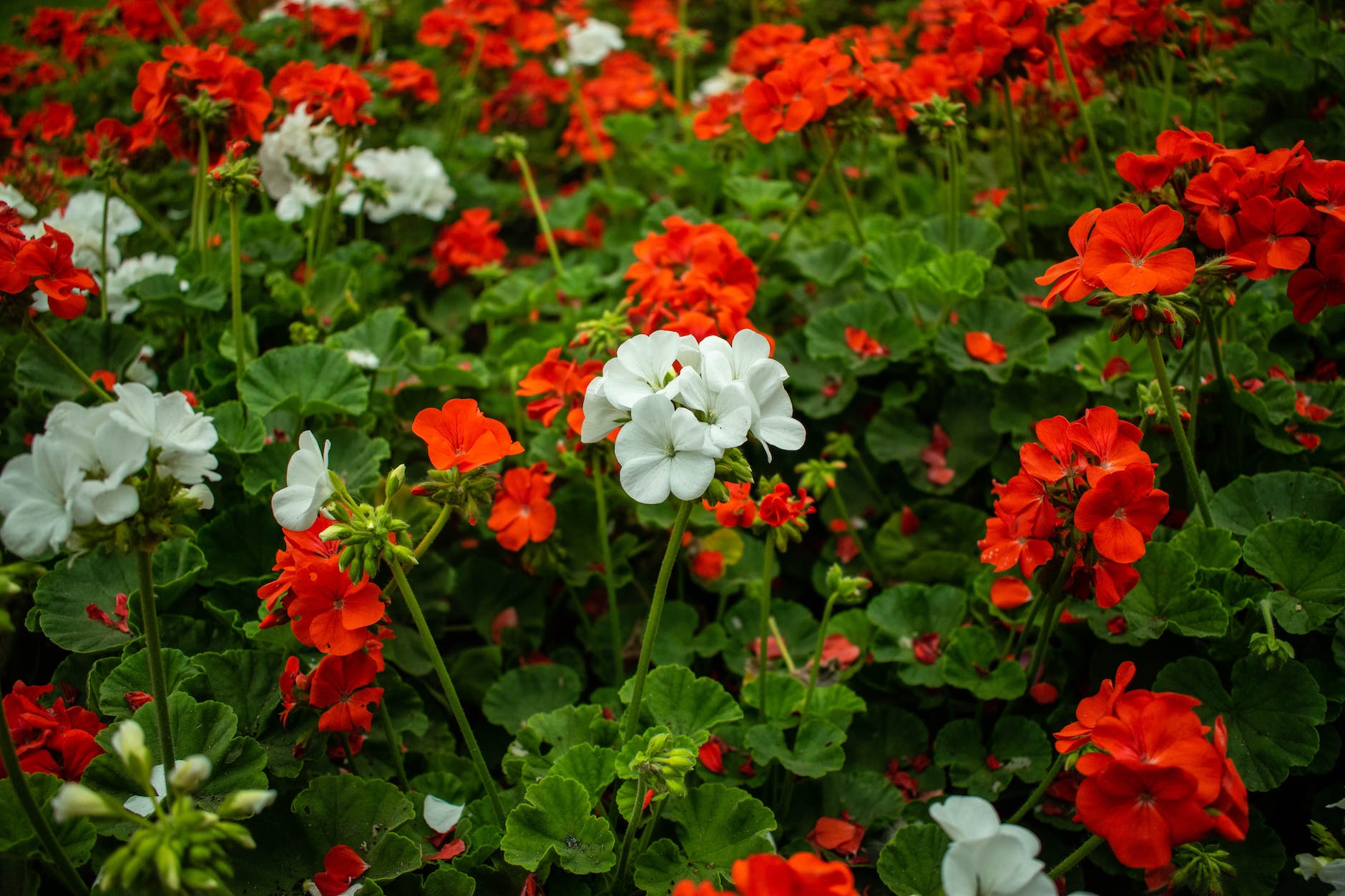
Geraniums are a diverse group of flowering plants, each playing a crucial role as a keystone species. With their mesmerizing blooms, generous pollen, and sweet sweet nectar, Geraniums offer sustenance and refuge to various species of butterflies and moths. Embracing these plants allows us to appreciate their vibrant colors, ranging from white to shades of pink, deep red, and violet. Moreover, we acknowledge their vital contribution to biodiversity and their ability to foster the interconnectedness of nature. These remarkable plants also add exquisite beauty to our surroundings.
8. Evening Primrose
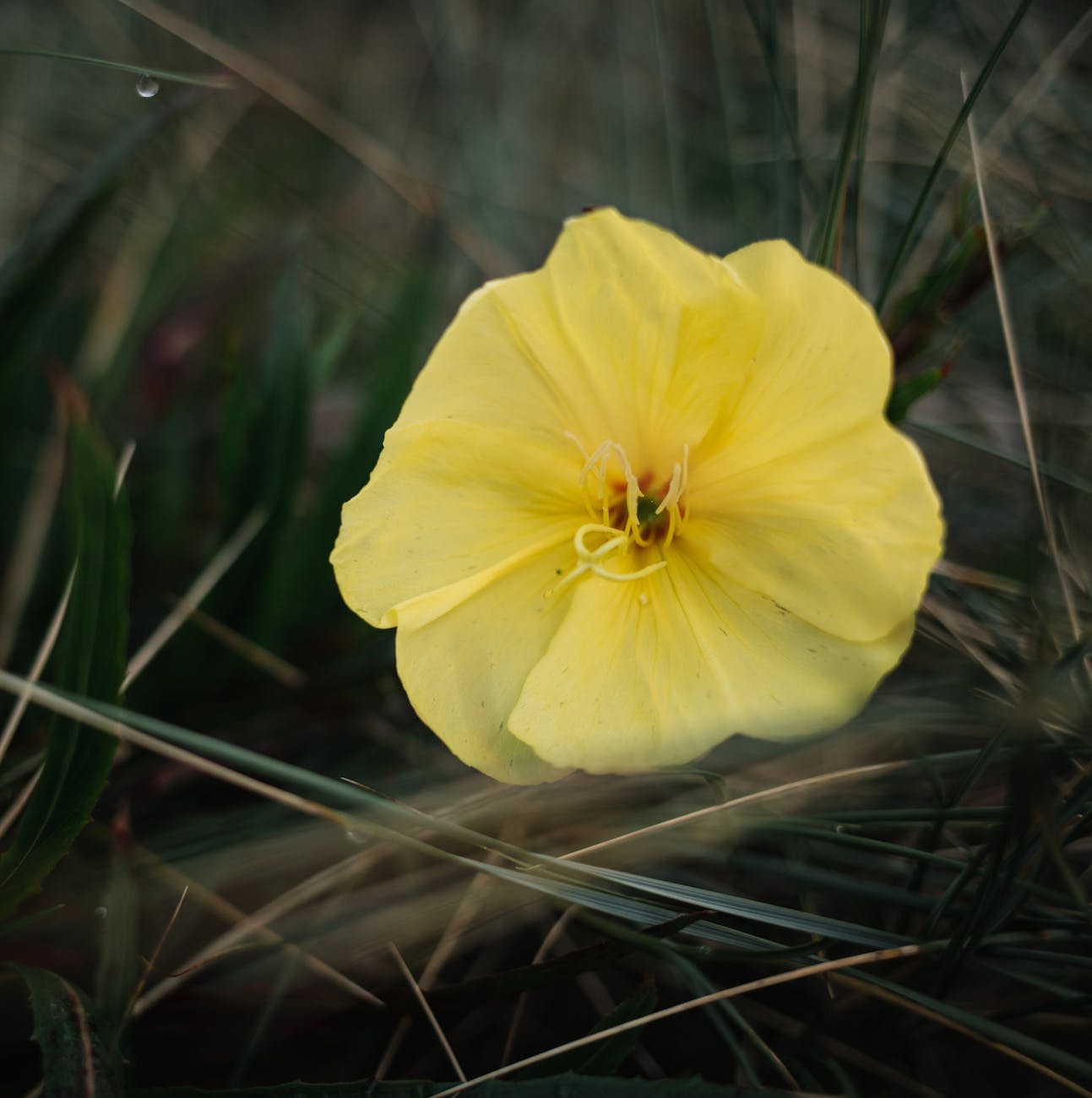
With its bright white or yellow blooms and distinctive sweet scent, the Evening Primrose is a beloved keystone native plant. Its nectar-rich flowers attract a range of animals, including hummingbirds, bumblebees, and large night-flying insects like hawk moths. In the late hours of dusk, the Evening Primrose becomes a haven of activity, drawing and nurturing these important pollinators.
9. Lupine
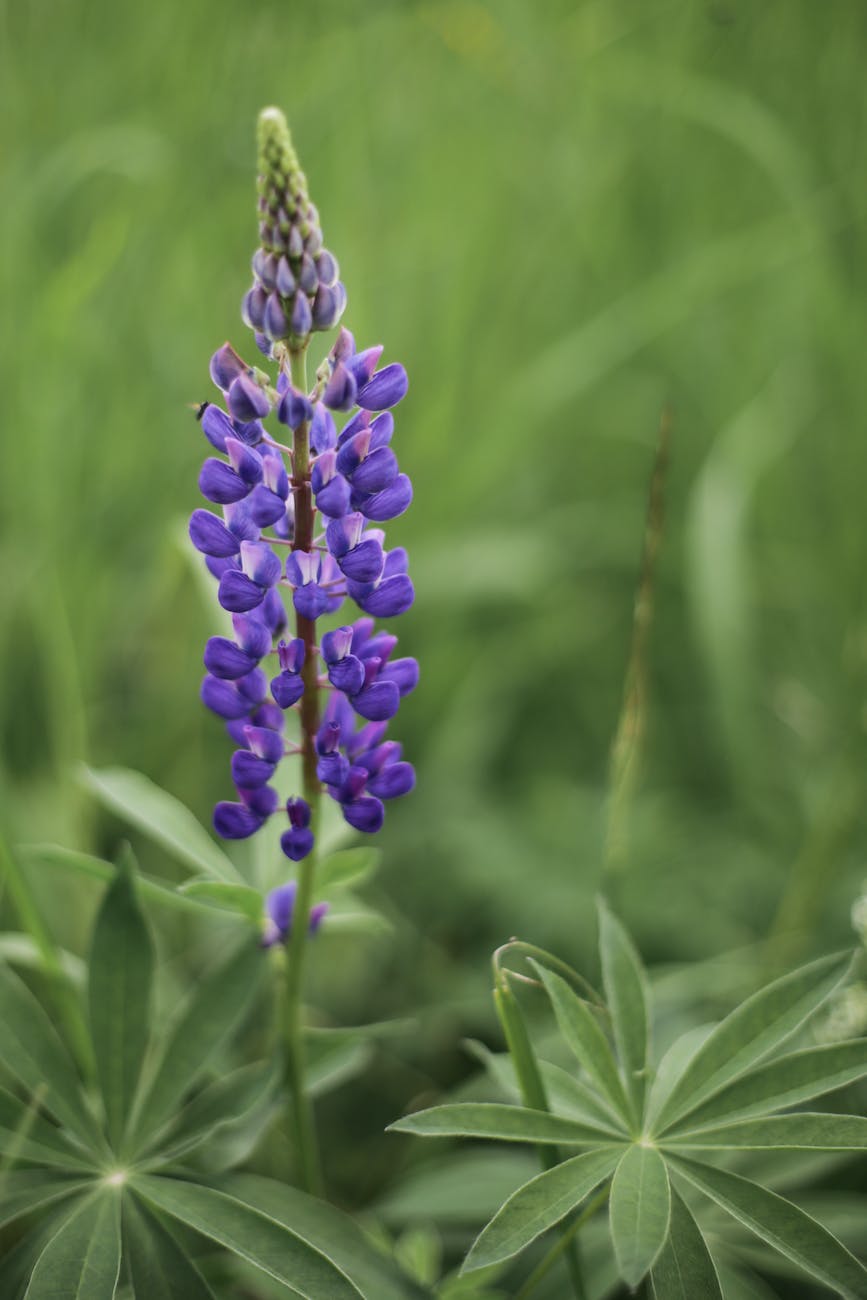
Lupine is a stunning native plant that serves as an essential resource for various wildlife species. On its tall and elegant stems, Lupine shows vibrant clusters of flowers in a range of beautiful colors including blue, lavender, purple, and white. These colorful blooms serve as a feast of nectar for bees and butterflies, facilitating the pollination for numerous plant species. By cultivating lupine in gardens and natural areas, we can help sustain biodiversity and contribute to the preservation of these delicate creatures.
10. Goldenrod
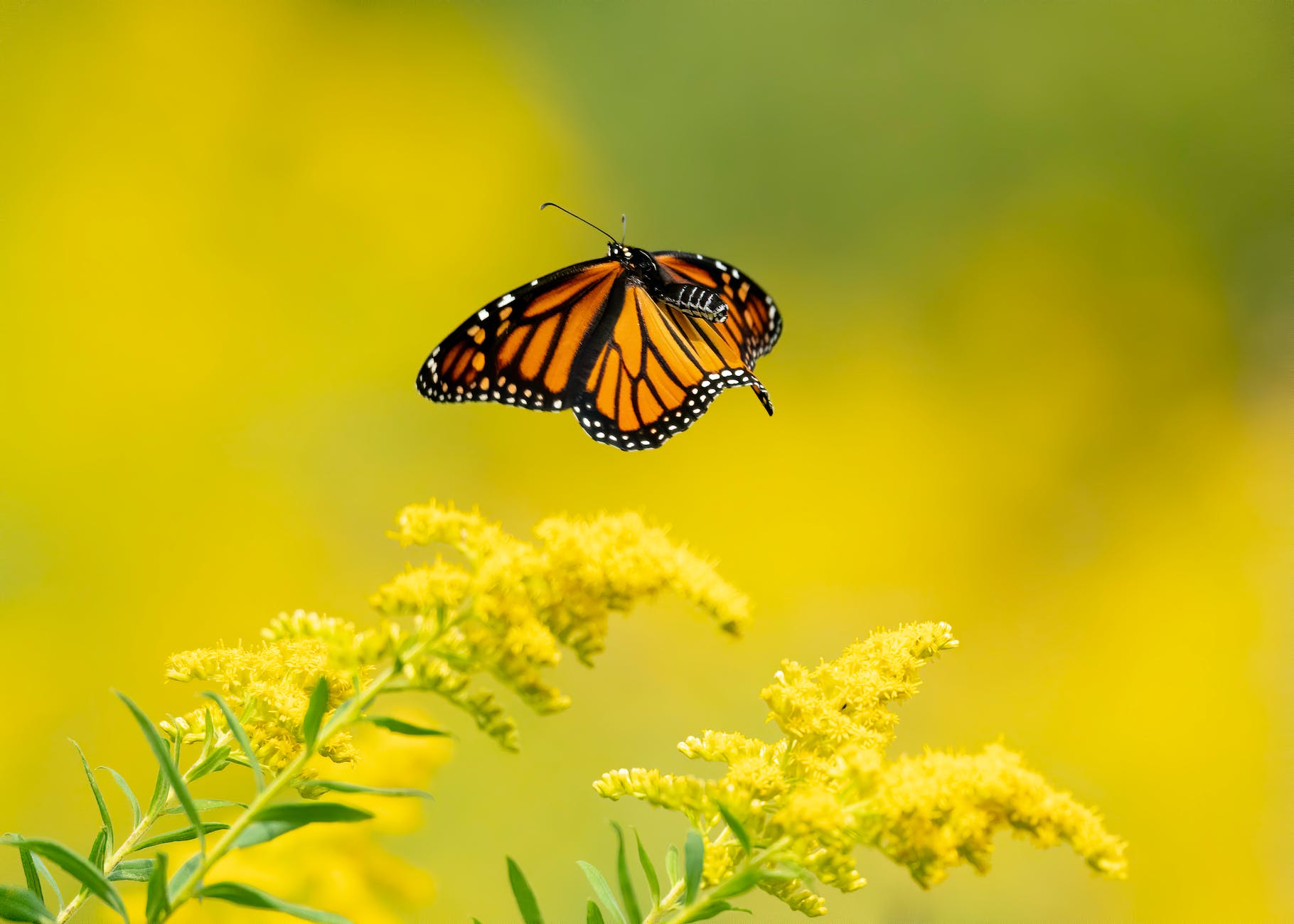
Goldenrod is another remarkable keystone plant native to our ecosystems. Known for its vibrant yellow flowers that cover fields and meadows in late summer and fall, Goldenrod adds warmth and beauty to the landscape. Beyond its beauty, this resilient plant plays a vital role in supporting wildlife. Goldenrod serves as an important food source for over 100 species of animals and insects, including bees, butterflies, and beetles. These insects, in turn, become a vital food source for birds and other small mammals.
Now you can put your newfound knowledge about keystone native plants into action and bring a touch of their magic to your yard! Incorporating these plants into our landscapes creates havens of biodiversity and ensures the survival of numerous wildlife species. Whether you have a garden, balcony, or access to natural areas, consider including these keystone plants in your surroundings. By integrating keystone plants, we not only support wildlife but also add captivating beauty to our outdoor spaces. Leave a comment with your favorite keystone plant!
 PNW Real Estate Blog
Leave a comment