Landscaping is a wonderful way to add beauty and value to your property while also benefiting the environment. By using sustainable landscaping techniques, you can create a space that is both eco-friendly and attractive. By implementing some of these upgrades you can reduce your carbon footprint, pull back on using precious resources, and give back to the planet. Here are five sustainable landscaping ideas that you can use in your outdoor space.
Ditch the Grass
Traditional grass lawns have been the go-to in backyards for many, many years. A home with a nicely cut and manicured grass lawn is an attractive feature for many homeowners. But sadly, grass has shown to be more harmful than beneficial. Some negatives include the extreme water waste, carbon costs, increased greenhouse gasses, its inability to support other native species, the required chemicals needed to sustain it and the constant maintenance required to care for it.
Alternatives to Grass Lawns
Many are moving away from traditional grass lawns and turning toward more sustainable and environmentally friendly alternatives. A popular alternative is a clover lawn. Clover is a fantastic option that requires only very occasional mowing, it makes the earth richer, grows extremely quickly and, once established, needs little watering. Another alternative is planting a wildflower meadow. This can provide a habitat for bees, butterflies, and other pollinators while also reducing maintenance and water requirements. Depending on your region, it’s suggested you go to a local nursery to see the recommended plants for your location.
Utilize a Rain Barrel
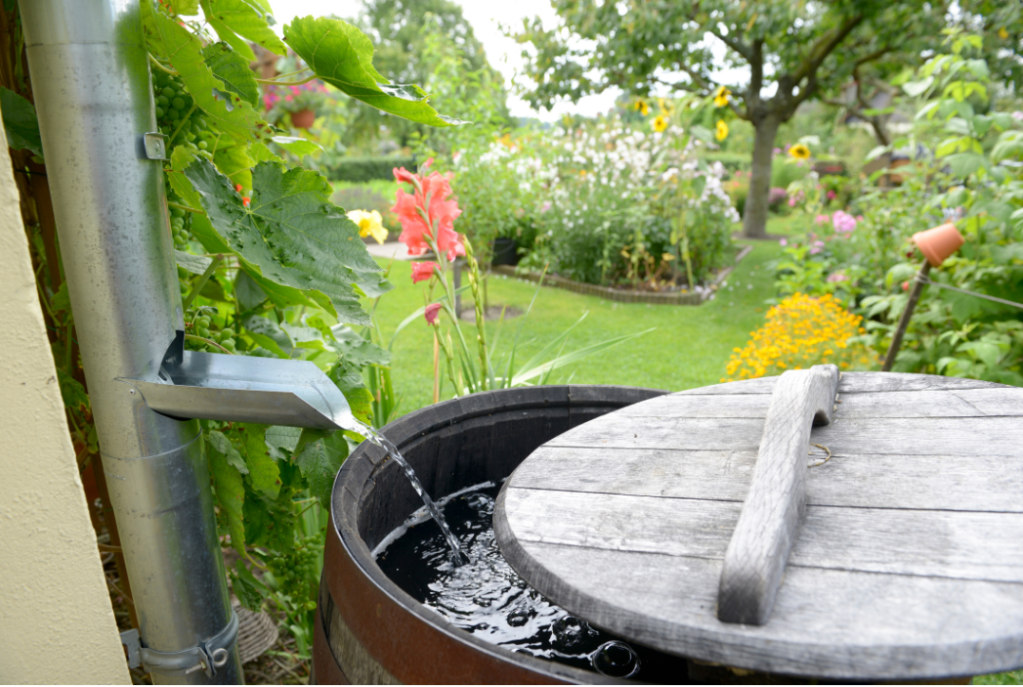
Rain barrels are a great way to sustainably upgrade your yard and reduce your water bill. Heavy rains can cause flooding and erosion. If you situate rain barrels underneath your downspouts, you can help capture that runoff water that would otherwise be lost. This can reduce the demand for municipal water (saving you money). Not just that, collected rainwater can also improve your garden’s soil health and reduce the need for chemical fertilizers. By capturing and drawing away this runoff, rain barrels can help protect the environment and improve water quality.
Start Composting!
Composting is an amazing way to use what you already have to make a healthier and more sustainable yard. There are lots of way to add compost to your landscape layout or even just include it as a natural fertilizing option. The best part, is it can be completely FREE. Check out the guide below for all the ways you can incorporate compost into your landscaping!
Plant native species
When it comes to sustainability, including native plants in your yard is a great move toward going green. Native plants have many benefits, like their deep-reaching roots that allow them to hold soil, which decreases erosion and runoff. Planting native plants in your yard provides food and habitat for local wildlife, unlike non-native plants, which is important to the ecosystem. Because these plants are adapted to your local climate and soil conditions, it also means they require less water, fertilizer, and pesticides then non-native plants. By planting native plants in your yard, you can contribute to the well-being of your local environment while creating an attractive and sustainable landscape.

Use permeable paving
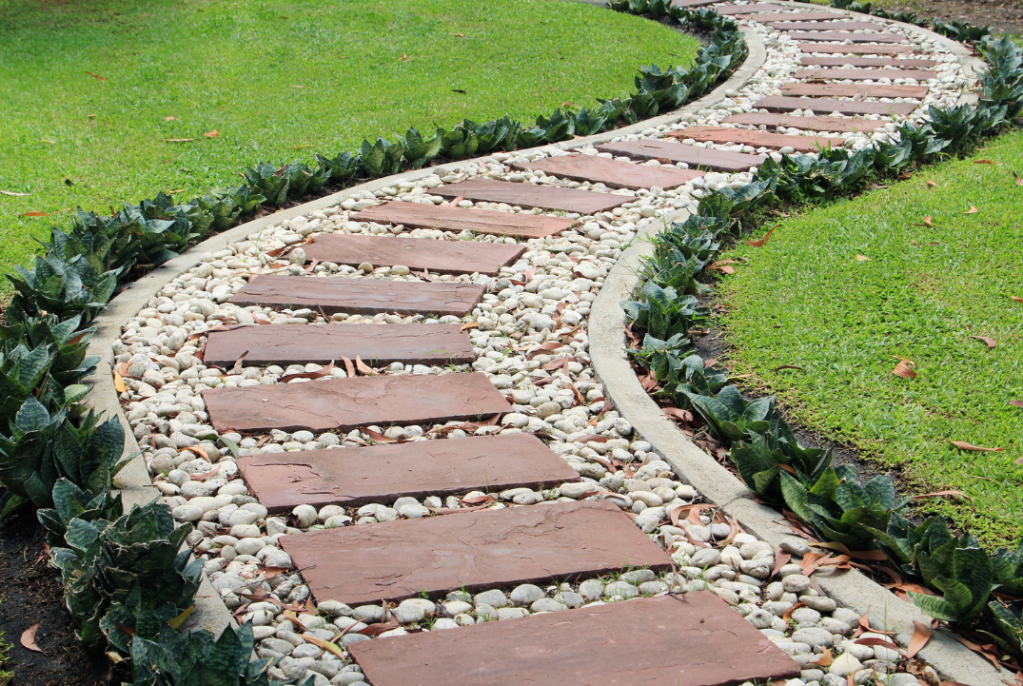
Permeable paving is a sustainable alternative to traditional concrete or asphalt surfaces. Permeable pavements allow rainwater to filter through the surface and into the soil below, reducing stormwater runoff and replenishing groundwater supplies. They also reduce the heat island effect, which can help cool urban environments. Permeable pavements can be made from a variety of materials, including permeable concrete, pavers, and gravel.
Sustainable landscaping is an important practice that can benefit both the environment and your property. By using native plants, compost, mulch, rain gardens, and permeable paving, you can create a sustainable and beautiful outdoor space that reduces your environmental impact and adds value to your property.


Leave a Reply